
organizational architecture
An organizational chart shows accountabilities. Not the whole organization.
I design organizational architectures that enable value creation, effective decision-making and collaboration.
TWO DIMENSIONS. ONE ORGANIZATION.
Formal Organization
As planned.
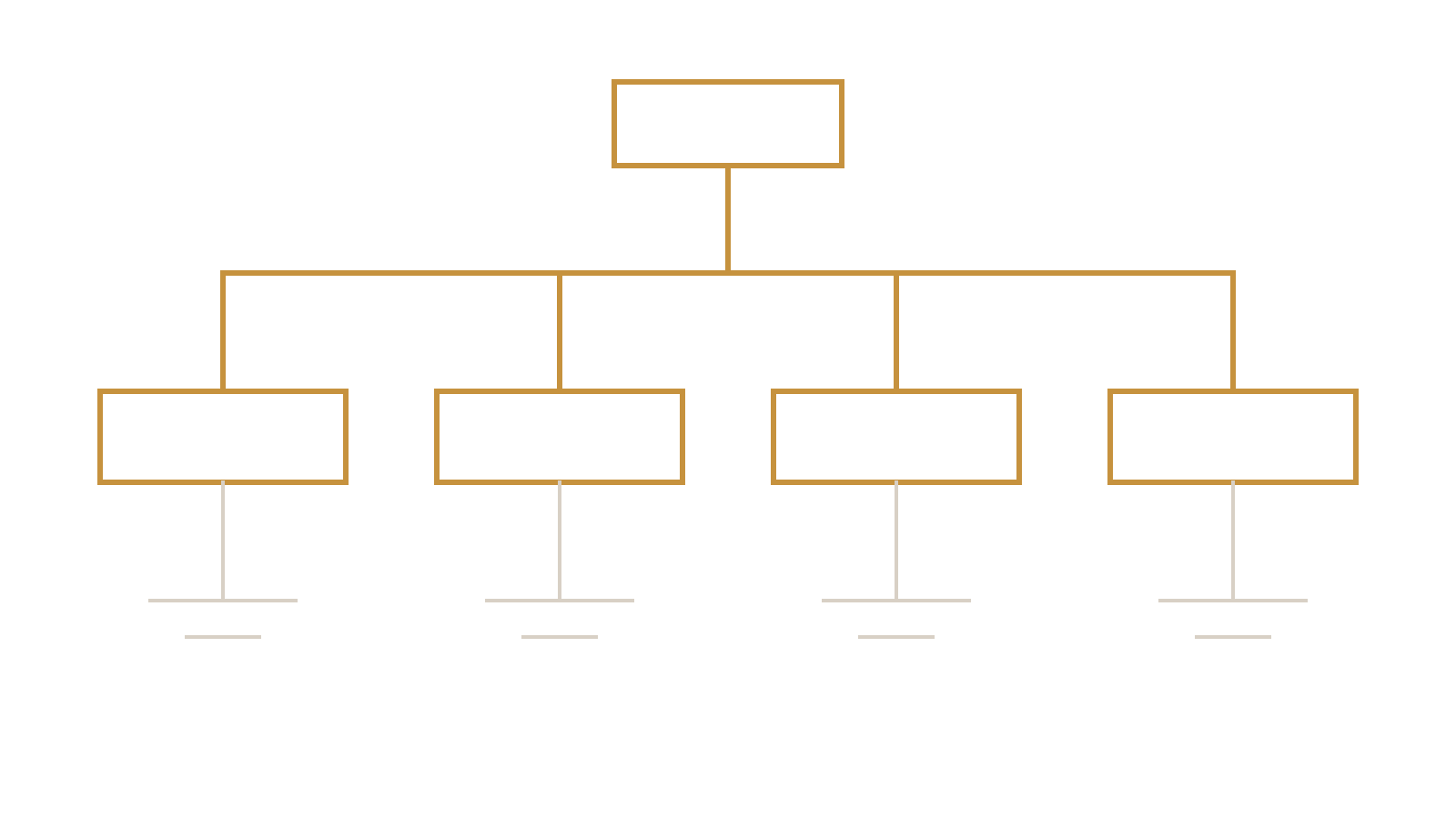
Hierarchy and Functions
Positions, responsibilities and roles
Processes and Policies
Reporting Lines
An Organization in Action
How it works.
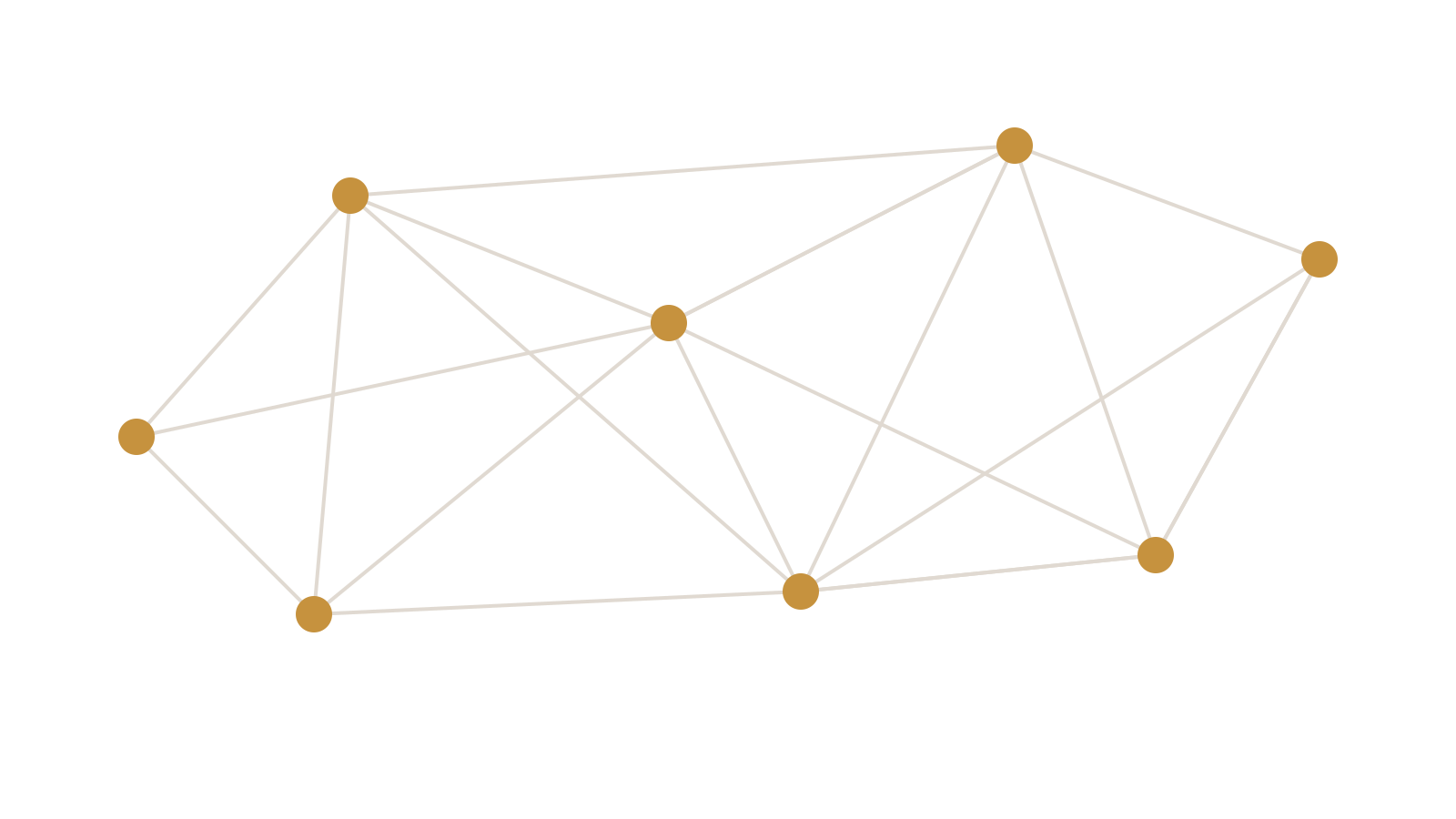
Informal Networks
Real Decisions
Cross-Border Collaboration
Culture and Shared Norms
Connected Layers
Organizations are multidimensional.
An organization can be viewed across five interconnected layers. A shift in one layer affects every other.
People
Skills, attitude, and motivation. People are the foundation of every organization.
Teams
Collaboration, trust, and dynamics. This is where results are achieved.
Organization
Structures, departments, roles, and governance. They provide clarity and guidance.
Processes
Processes and decision-making pathways. They make work possible.
Technology
Systems and applications. They complement the organization, but do not replace it.
Typical Disconnects
Where organizations come apart.
On the organizational chart, everything appears clearly defined. Day-to-day business often reveals a different picture. Strategy, decisions, communication and operations no longer follow the same direction. Business functions pursue their own priorities, information is lost at handoffs and accountability remains unclear. This is where an organization loses time, money and its capacity to act and decide.
Structure & Strategy
The structure no longer reflects the strategy. This leads to silo mentality and duplication of effort.
Communication & Decision-Making
Information is received, but decisions are either not made or lack transparency.
Accountability & Roles
Roles are unclear. Responsibility is passed on or avoided.
Collaboration & Culture
Silos, power struggles, and mistrust hinder cooperation and innovation.
Processes & Technology
Complex processes and system disconnects hinder speed and quality.
Perspektivgespräch
Der erste Schritt ist keine fertige Lösung.
Es ist ein Gespräch.
Ein Perspektivgespräch schafft Klarheit über Ihre aktuelle Situation, zentrale Hebel und sinnvolle nächste Schritte.
Dauer
30 Minuten
Dauer
30 Minuten
Format
Video-Call
Teilnehmer
Sie und gegebenenfalls weitere relevante Personen
Vetraulich & auf Augenhöhe
Ihre Themen und Informationen behandle ich mit höchster Diskretion
So arbeiten wir
01 Verstehen
Wir sprechen über Ihre Herausforderungen, Ziele und den aktuellen Stand.
02 Ordnen
Ich stelle die richtigen Fragen und bringe Struktur in das Gespräch.
03 Perspektiven eröffnen
Sie gewinnen neue Sichtweisen und Handlungsoptionen.
04 Nächste Schritte klären
Wir vereinbaren, was sinnvoll ist - oder lassen es gut sein.
Organizational architecture is not a project, but a mindset.

